Two students can sit through the same algebra class and go home with the same assignment. One has a quiet table, a ride back to school for robotics, and someone nearby to ask when the math stops making sense. The other can do the work just as well, provided they find an hour between a long bus ride and getting dinner ready for a younger sibling. The school gave them the same class. The hours after it gave them different chances to learn.
I think public high schools should become schools where students can live as well as learn. Every district should offer free weekday boarding, on one of its own campuses or in partnership with nearby districts. Students and families would choose whether to use it. Day students and residents would attend the same classes and have access to the same teachers and extracurriculars.
What a dorm makes possible
A good evening on campus is ordinary. You eat dinner, get some help with a problem set, and spend an hour in the workshop finishing something you started with a friend. There’s time to call home, do your laundry, or go to bed early. The school can provide a place to do these things and let students decide how to use much of that time.
The person who helps you with the problem set can also notice when you stop showing up. I’ve written before about giving mentors a bigger role in schools. A dorm makes time for those relationships to grow through everyday contact. It also gives teenagers a place to practice living with other people. Sharing a room means learning to discuss what bothers you, listen to someone else’s needs, and handle a disagreement when you’ll see each other again at breakfast.
An extended school day can provide dinner, tutoring, and a place to work. Districts should offer those things to day students too. Boarding adds something an evening program can’t give a teenager who lives an hour away or lacks a dependable place to sleep. Tomorrow starts in the same place as tonight.
A place students choose to live
I’d start with Sunday evening through Friday afternoon and provide transportation home. Some families would need flexibility around work, caregiving, religious observance, or family events. Students and families would both have to opt in, and students could return to day attendance at any point without changing schools or losing classes. Meals, transport, and disability accommodations would be part of the offer. Admissions would be open to students across the district, with a transparent lottery if a pilot has more applicants than beds.
The United States used residential schools to take Indigenous children from their families and suppress their languages and cultures. That was federal policy, and the damage carries across generations. U.S. Department of the Interior’s investigation
A public institution that houses teenagers takes on real power over their daily lives. Students need private access to family and outside advocates, plus a confidential way to report mistreatment to an independent authority. Dorms need trained, paid staff at all hours. Students, families, and affected communities should help set the rules before the doors open.
What the evidence can tell us
North Carolina already runs a public residential high school for juniors and seniors through the North Carolina School of Science and Mathematics. Its selective program shows that a state can provide room, meals, and tuition without charging families. A general public boarding option would have a different admissions policy and a broader purpose. UNC System overview, NCSSM admissions
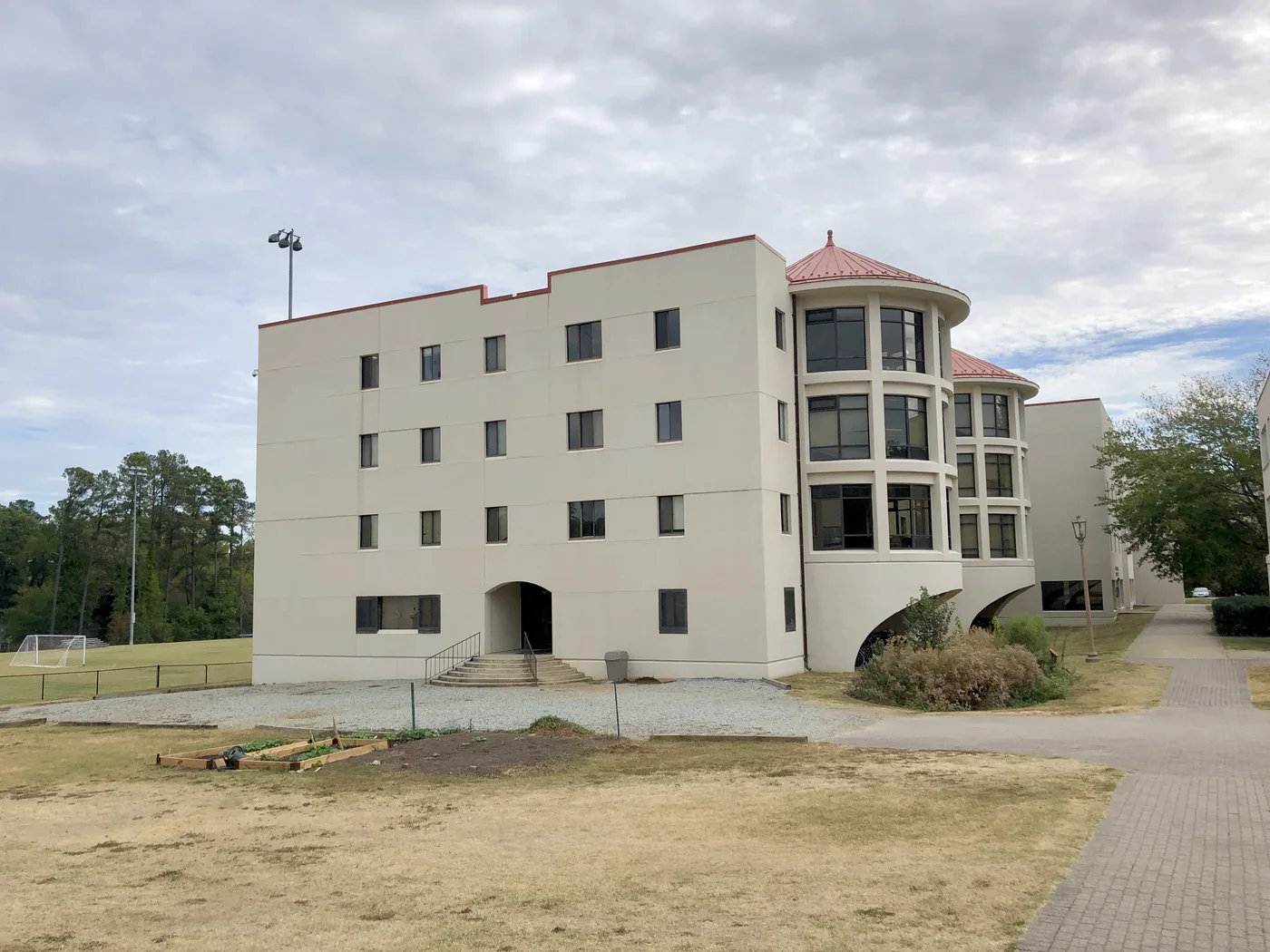

The SEED School in Washington, D.C., gives a better view of what weekday boarding looks like in practice. An evaluation using its admissions lottery found higher test scores, especially in math, and detected no increase in four-year graduation among the cohorts it could follow through high school. The study evaluated the whole school, including its academic program and residence halls, so it can’t tell us how much of the gain came from living on campus. MDRC’s evaluation of SEED DC
Start with a few districts
Dorms cost money every night they’re open. Before building at scale, states should fund a few pilots with full operating budgets and compare them with well-funded day programs that offer dinner, tutoring, and late transportation. Follow students over several years and publish the cost per student alongside attendance, sleep, belonging, safety, and graduation. Ask teenagers who moved out what made them leave. A program can raise test scores and still make daily life worse, and test scores alone won’t tell a district whether the cost is justified.
I want every teenager to have access to the kind of school where, at seven in the evening, there’s still a meal, a place to work, and an adult who knows their name. Some students will get what they need by staying a few hours. Others will want a room upstairs. That should be a choice public education can offer.